









TCG Opal

What is TCG?
The Trusted Computing Group (TCG) is an international organization that develops open standards for hardware-enabled security across various platforms and peripheral devices. For storage, TCG defines a unified framework specifying "how devices are locked" and "how encryption keys are managed," ensuring seamless security across the industry.Depending on the application—ranging from consumer PCs to large-scale data centers—TCG has derived several storage security standards: TCG Pyrite, TCG Opal, TCG Enterprise (TCGe), and TCG Ruby.
TCG Pyrite
TCG Pyrite is a storage security standard that provides a minimum level of interoperable device locking and access control without mandatory data encryption. It defines "whether access to data is permitted" rather than "how the data is protected." Consequently, data is stored in plain text, and security is maintained through a logical locking mechanism.
Key Features:
- Basic Security: Defines fundamental Lock/Unlock behaviors.
- Minimal Footprint: Uses a simplified set of security commands and states.
- Plain Text Storage: Data is not encrypted at the hardware level.
- Ideal For: Applications requiring basic access control and cross-platform interoperability without legal or regulatory requirements for data-at-rest encryption.
TCG Opal
TCG Opal is currently the most prevalent storage security standard in the market. It is widely utilized in Client PCs, Enterprise PCs, and Industrial PCs to prevent unauthorized data access through robust, manageable protection.
Key Features:
- Hardware-Based Self-Encryption: All data is automatically encrypted via AES by the SSD controller during writes and decrypted instantly during reads.
- Multiple Locking Ranges: Supports dividing the SSD into multiple logical areas (LBA Ranges). Each range can be assigned unique passwords and access rights, allowing only authorized users to access specific partitions.
- Pre-Boot Authentication (PBA): Through the MBR Shadow / Hidden Area mechanism, the system enters a secure authentication environment before the operating system loads. The SSD only unlocks and permits the OS to boot after successful user verification.
TCG Enterprise(TCGe)
TCG Enterprise was designed for traditional enterprise storage systems. Its implementation is most commonly found in SCSI and SAS-based server environments and storage arrays.
Key Features:
- Hardware-Based Self-Encryption: Like Opal, it utilizes "inline encryption" (encrypting data upon write, decrypting upon read).
- No MBR Shadow or PBA: Servers in controlled data centers typically operate 24/7 and cannot rely on manual password entry. Therefore, TCGe usually omits the Pre-Boot Authentication mechanism.
- Band Architecture: Uses "Bands" instead of "Ranges" for data partitioning. The permission structure is more rigid (e.g., a BandMaster is tied to a specific Band), which suits the fixed permission hierarchies of legacy mainframe environments.
- Protocol Alignment: The command sets are specifically optimized for SCSI/SAS protocols and tailored to meet the large-scale management demands of enterprise data centers.
TCG Ruby
TCG Ruby is the latest security standard designed specifically for next-generation Enterprise and Data Center NVMe storage. It combines the flexible, range-based architecture of Opal with the robust requirements of enterprise environments, aiming to succeed TCG Enterprise as the mainstream standard for NVMe SSDs in the server sector.
Key Features:
- NVMe Optimization: Native support for NVMe features, particularly Namespace management, allowing security settings to be applied independently to different Namespaces.
- Hardware-Based Self-Encryption: All data written to the SSD is automatically encrypted by the controller using AES-256 and decrypted transparently during reads.
- Flexible Access Management: Adopts the "LBA Ranges" architecture similar to Opal, making permission allocation (multi-user, multi-range) more agile for cloud-based multi-tenant environments.
- Optional PBA: While the specification supports Shadow MBR, it is typically disabled in automated server environments.
Summary: Pyrite, Opal, Enterprise, and Ruby
- Opal & Pyrite are the "Encrypted vs. Non-Encrypted" choices for Client devices.
- Enterprise & Ruby are the "Legacy (SCSI/SAS) vs. Next-Gen (NVMe)" standards for Servers.
- Ruby effectively adopts Opal’s flexible design to solve the rigidity issues found in Enterprise, making it better suited for modern data center and cloud applications.
Relationship Between TCG Standards and SED
TCG Pyrite, TCG Opal, TCGe, and TCG Ruby define storage access control behaviors and security management models, but they are not encryption technologies themselves.
- SED (Self-Encrypting Drive) refers to a hardware architecture that automatically performs encryption and decryption within the storage device during data write and read operations.
- TCG Pyrite/Opal/Enterprise/Ruby are the management standards. They define the communication protocols between the host and the drive, as well as the rules for locking, unlocking, authentication, and authorization.
In practice, TCG Opal, TCGe, and TCG Ruby are almost always paired with SED. Only when both are combined can a complete, verifiable storage security architecture be established across different application scenarios.
(To learn more about how SED works, please refer to the SED article.)

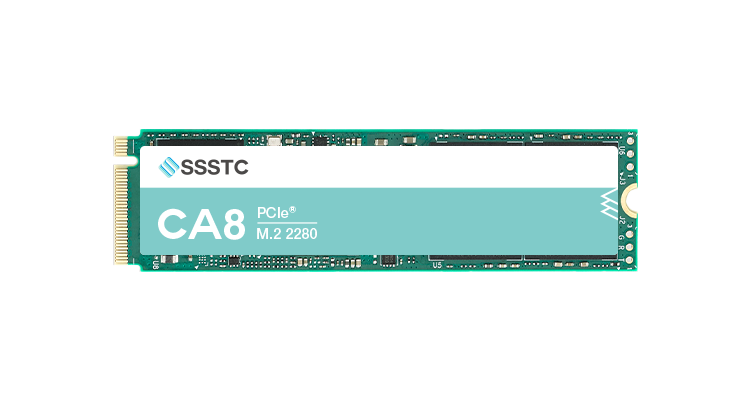
NVMe™ SSD
512GB / 1024GB / 2048GB / 4096GB
NAND Flash: 3D TLC NAND Flash
Interface: PCIe® Gen5 x4
Sequential Read: UP to 14,000 MB/s
Sequential Write: UP to 12,000 MB/s
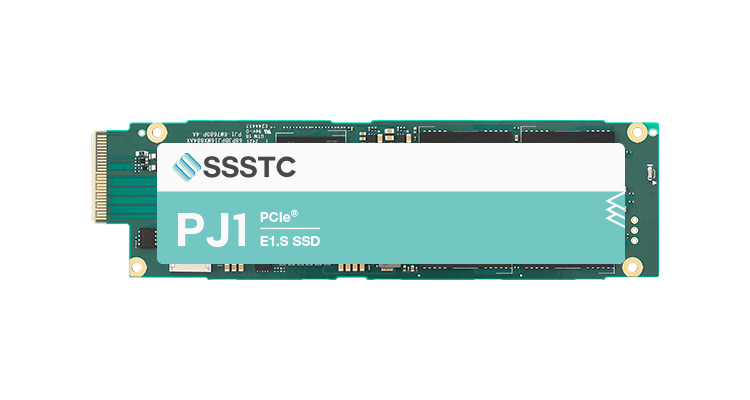
NVMe™ SSD
960GB / 1600GB / 1920GB / 3200GB / 3840GB / 7680GB
NAND Flash: 3D TLC NAND Flash
Interface: PCIe® Gen4 x4
Sequential Read: UP to 6600 MB/s
Sequential Write: UP to 3500 MB/s
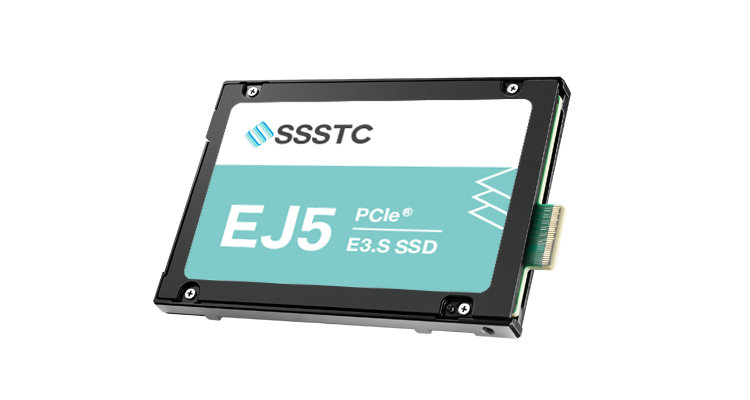
NVMe™ SSD
3840GB
NAND Flash: 3D TLC NAND Flash
Interface: PCIe® Gen5 x4
Sequential Read: UP to 14,000 MB/s
Sequential Write: UP to 7,500 MB/s
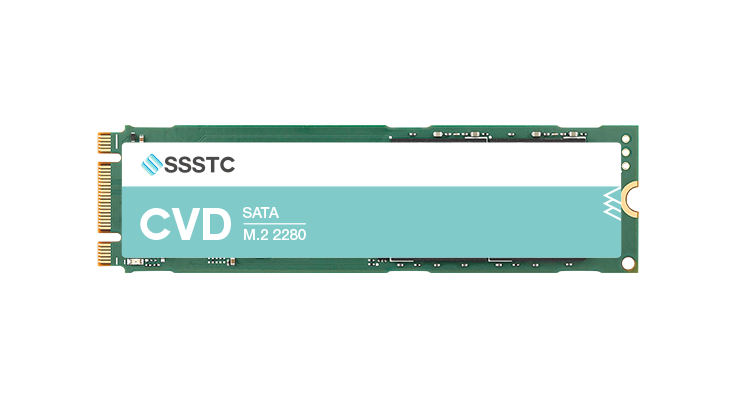
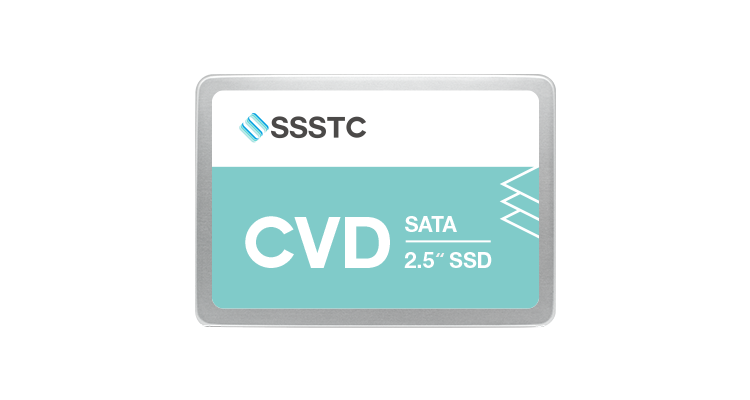
SATA SSD
128GB / 256GB / 512GB / 1024GB / 2048GB
NAND Flash: 3D TLC NAND Flash
Interface: SATA 3 (6Gb/s)
Sequential Read: UP to 500 MB/s
Sequential Write: UP to 260 MB/s
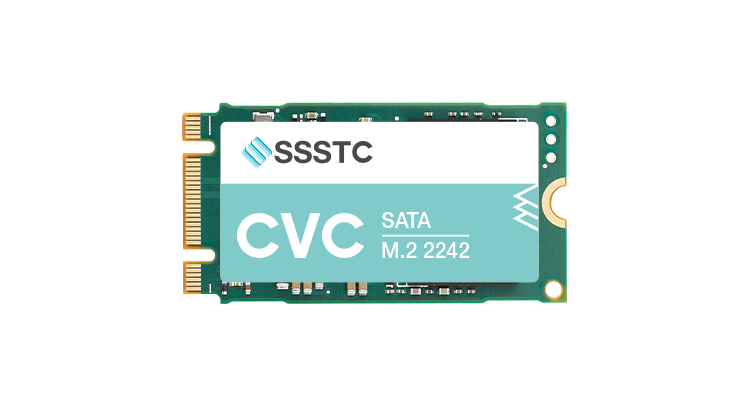
SATA SSD
128GB / 256GB / 512GB / 1024GB / 2048GB
NAND Flash: 3D TLC NAND Flash
Interface: SATA 3 (6Gb/s)
Sequential Read: UP to 500 MB/s
Sequential Write: UP to 260 MB/s
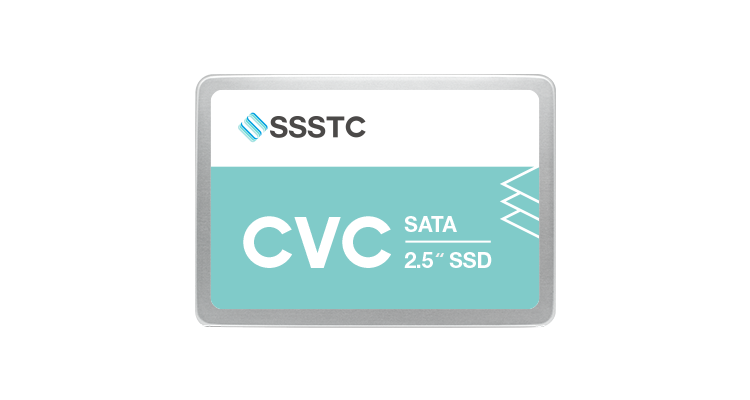
SATA SSD
40GB / 80GB / 128GB / 160GB / 256GB / 320GB / 640GB
NAND Flash: 3D pSLC(TLC)
Interface: SATA 3 (6Gb/s)
Sequential Read: Up to 550 MB/s
Sequential Write: Up to 510 MB/s
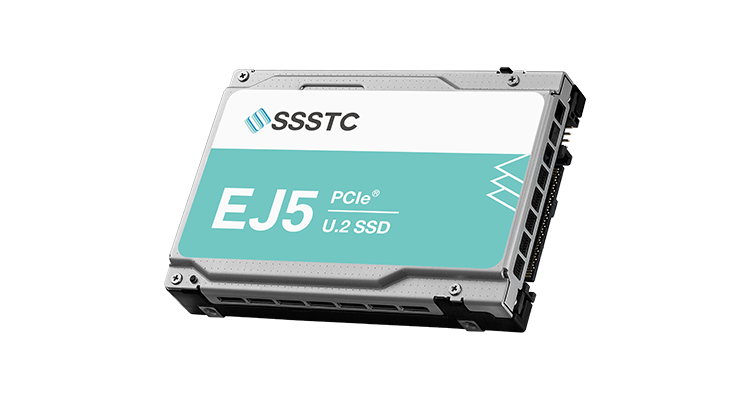
SATA SSD
40GB / 80GB / 160GB / 320GB / 640GB
NAND Flash: 3D pSLC(TLC)
Interface: SATA 3 (6Gb/s)
Sequential Read: Up to 550 MB/s
Sequential Write: Up to 510 MB/s
NVMe™ SSD
3200GB / 3840GB / 6400GB / 7680GB / 12800GB / 15360GB
NAND Flash: 3D TLC NAND Flash
Interface: PCIe® Gen5 x4
Sequential Read: UP to 14000 MB/s
Sequential Write: UP to 7500 MB/s
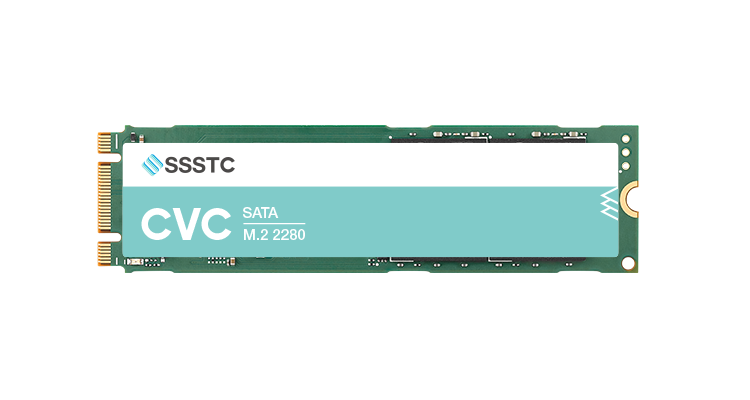
SATA SSD
40GB / 80GB / 160GB / 256GB / 320GB / 640GB
NAND Flash: 3D pSLC(TLC)
Interface: SATA 3 (6Gb/s)
Sequential Read: UP to 550 MB/s
Sequential Write: UP to 510 MB/s
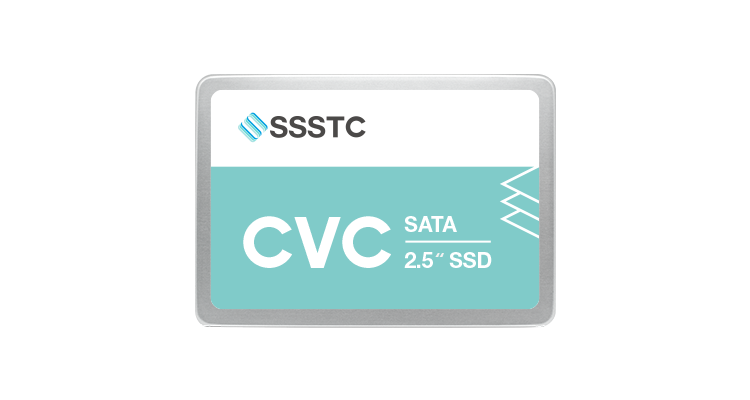
SATA SSD
120GB / 128GB / 256GB / 480GB / 512GB / 960GB / 1024GB / 2048GB
NAND Flash: 3D TLC NAND Flash
Interface: SATA 3 (6Gb/s)
Sequential Read: UP to 550 MB/s
Sequential Write: UP to 510 MB/s
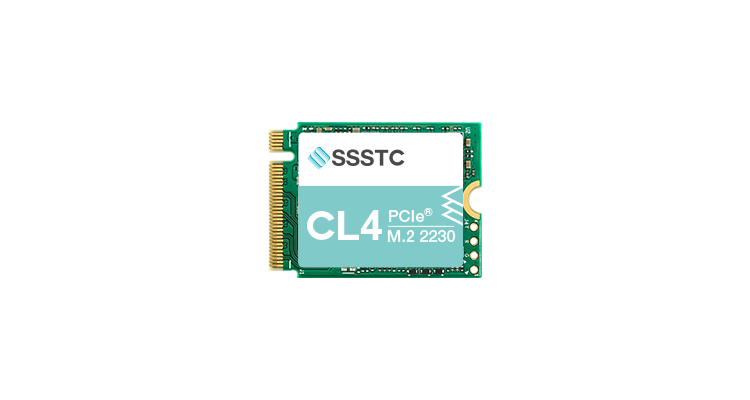
NVMe™ SSD
80GB / 160GB / 320GB
NAND Flash: 3D pSLC(TLC)
Interface: PCIe® Gen4 x4
Sequential Read: UP to 3700 MB/s
Sequential Write: UP to 2600 MB/s
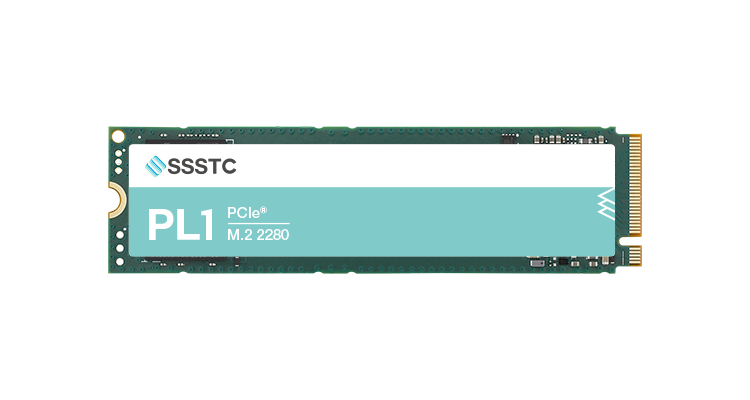
NVMe™ SSD
40GB / 80GB / 160GB / 320GB / 640GB /1280GB
NAND Flash: 3D TLC NAND Flash
Interface: PCIe® Gen3 x4
Sequential Read: 3,100 MB/s
Sequential Write: 1,500 MB/s
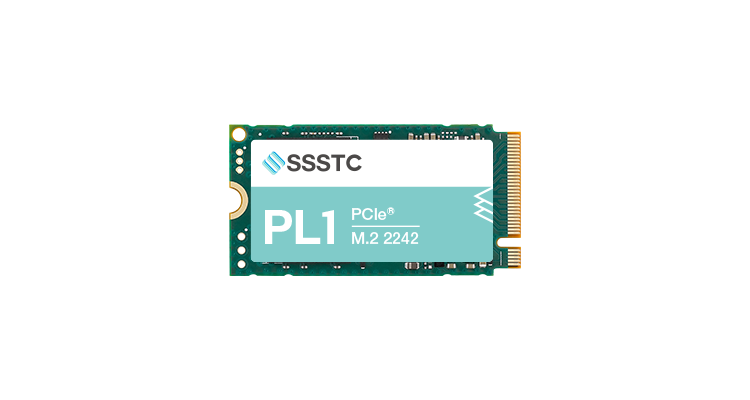
NVMe™ SSD
40GB / 80GB / 160GB / 320GB / 640GB /1280GB
NAND Flash: 3D TLC NAND Flash
Interface: PCIe® Gen3 x4
Sequential Read: 3,100 MB/s
Sequential Write: 1,500 MB/s
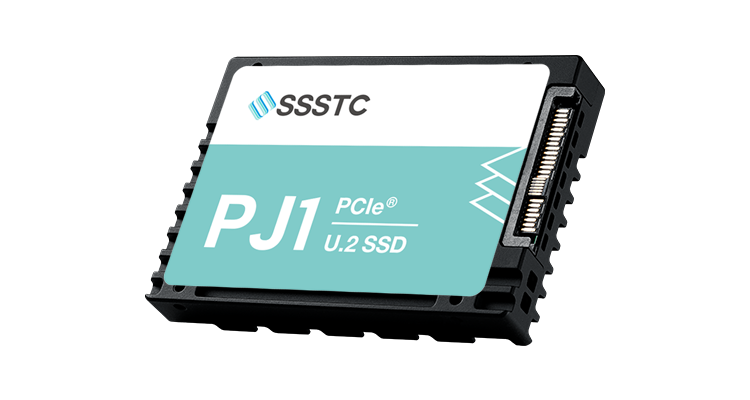
NVMe™ SSD
1920GB / 3840GB / 7680GB
NAND Flash: 3D TLC NAND Flash
Interface: PCIe® Gen4 x4
Sequential Read: UP to 7,000 MB/s
Sequential Write: UP to 4,200 MB/s
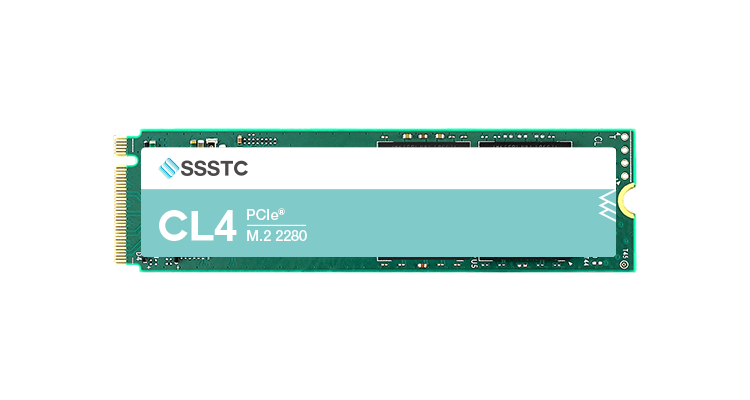
NVMe™ SSD
80GB / 160GB / 320GB
NAND Flash: 3D TLC NAND Flash
Interface: PCIe® Gen4 x4
Sequential Read: UP to 3,500 MB/s
Sequential Write: UP to 2,100 MB/s
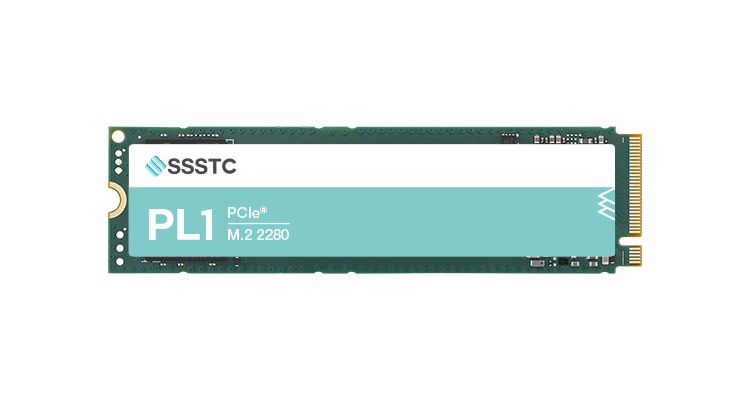
NVMe™ SSD
128GB / 256GB / 512GB / 1024GB / 2048GB /4096GB
NAND Flash: 3D TLC NAND Flash
Interface: PCIe® Gen3 x4
Sequential Read: 3,100 MB/s
Sequential Write: 1,500 MB/s
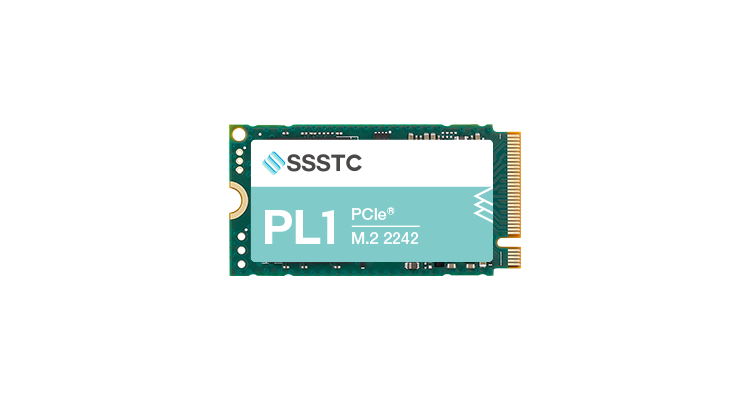
NVMe™ SSD
128GB / 256GB / 512GB / 1024GB / 2048GB /4096GB
NAND Flash: 3D TLC NAND Flash
Interface: PCIe® Gen3 x4
Sequential Read: 3,100 MB/s
Sequential Write: 1,500 MB/s
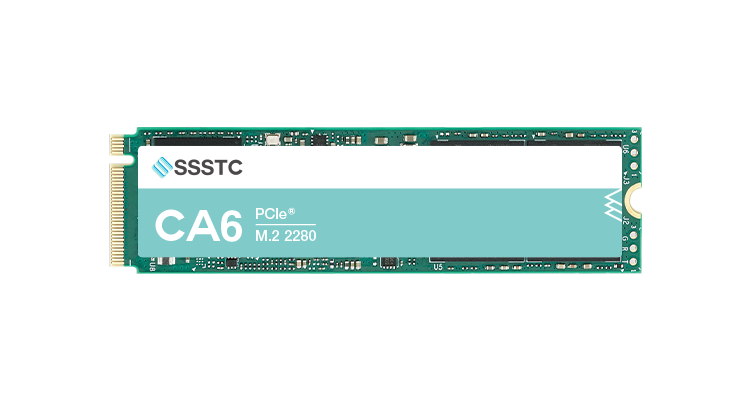
NVMe™ SSD
256GB / 512GB / 1024GB / 2048GB
NAND Flash: 3D TLC NAND Flash
Interface: PCIe® Gen4 x4
Sequential Read: UP to 6,800 MB/s
Sequential Write: UP to 4,800 MB/s
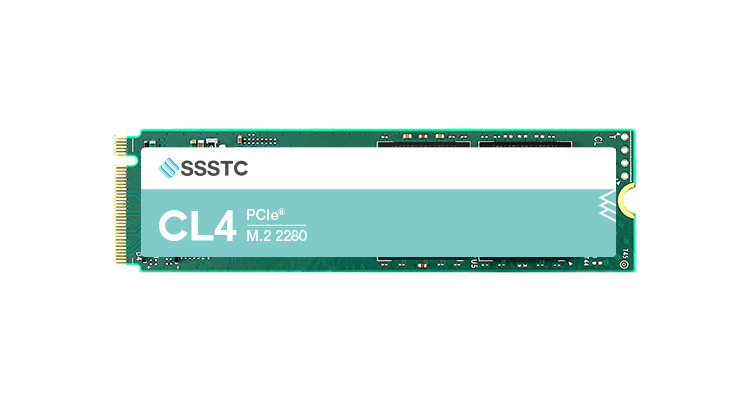
NVMe™ SSD
240GB / 256GB /480GB/ 512GB / 960GB/ 1024GB
NAND Flash: 3D TLC NAND Flash
Interface: PCIe® Gen4 x4
Sequential Read: UP to 3,700 MB/s
Sequential Write: UP to 2,600 MB/s
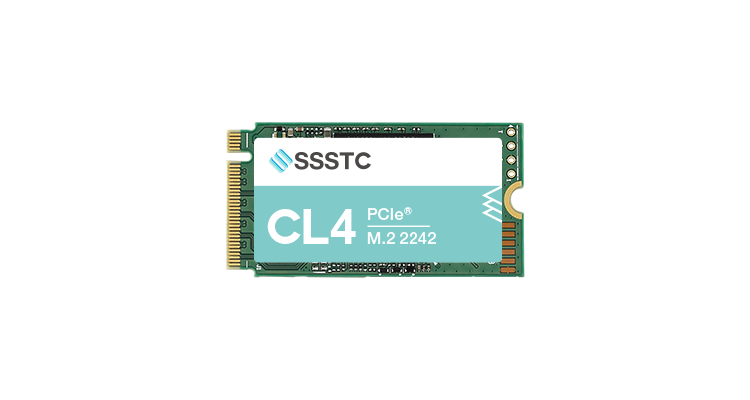
NVMe™ SSD
256GB / 512GB / 1024GB
NAND Flash: 3D TLC NAND Flash
Interface: PCIe® Gen4 x4
Sequential Read: UP to 3,700 MB/s
Sequential Write: UP to 2,600 MB/s
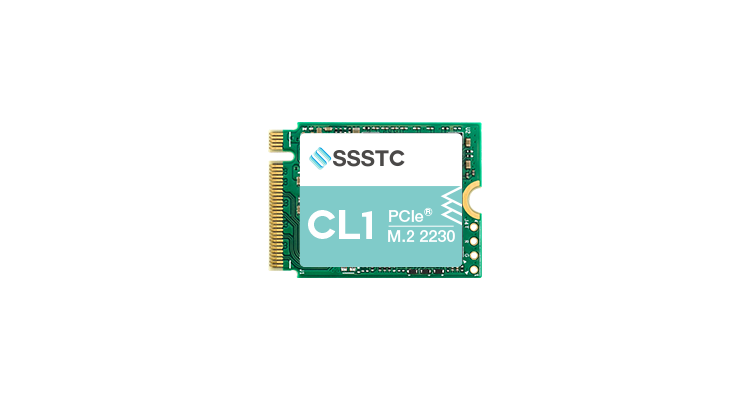
NVMe™ SSD
128GB / 256GB / 512GB
NAND Flash: 3D TLC NAND Flash
Interface: PCIe® Gen3 x4
Sequential Read: UP to 2,000 MB/s
Sequential Write: UP to 1,100 MB/s
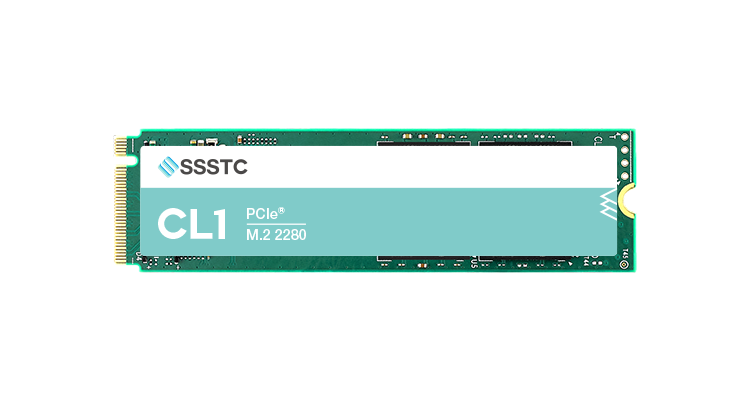
NVMe™ SSD
128GB / 256GB / 512GB/ 1024GB
NAND Flash: 3D TLC NAND Flash
Interface: PCIe® Gen3 x4
Sequential Read: UP to 2,000 MB/s
Sequential Write: UP to 1,100 MB/s
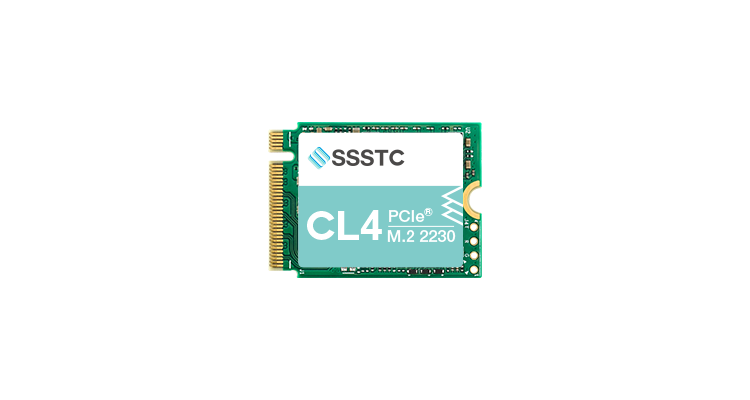
NVMe™ SSD
256GB / 512GB/ 1024GB
NAND Flash: 3D TLC NAND Flash
Interface: PCIe® Gen4 x4
Sequential Read: UP to 3,700 MB/s
Sequential Write: UP to 2,600 MB/s
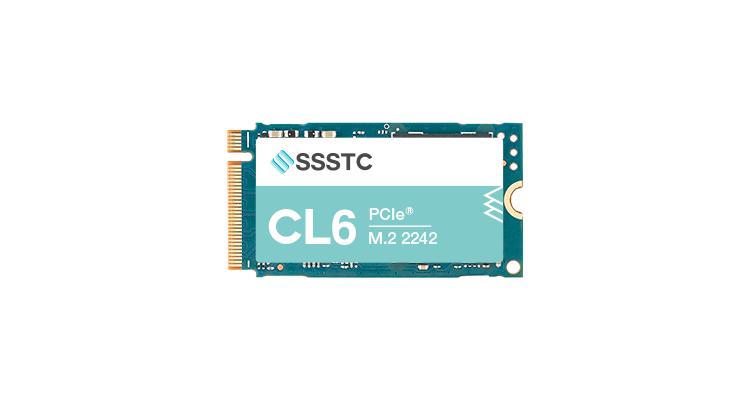
NVMe™ SSD
256GB / 512GB / 1024GB / 2048GB
NAND Flash: 3D TLC NAND Flash
Interface: PCIe® Gen4 x4
Sequential Read: UP to 6,000 MB/s
Sequential Write: UP to 5,300 MB/s
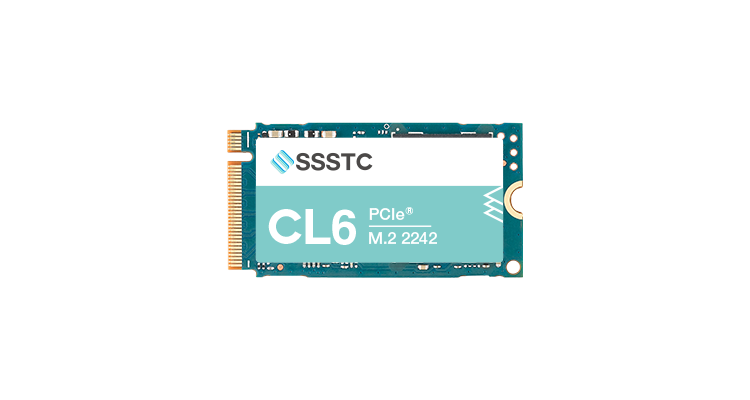
NVMe™ SSD
256GB / 512GB / 1024GB / 2048GB
NAND Flash: 3D TLC NAND Flash
Interface: PCIe® Gen4 x4
Sequential Read: UP to 6,000 MB/s
Sequential Write: UP to 5,300 MB/s
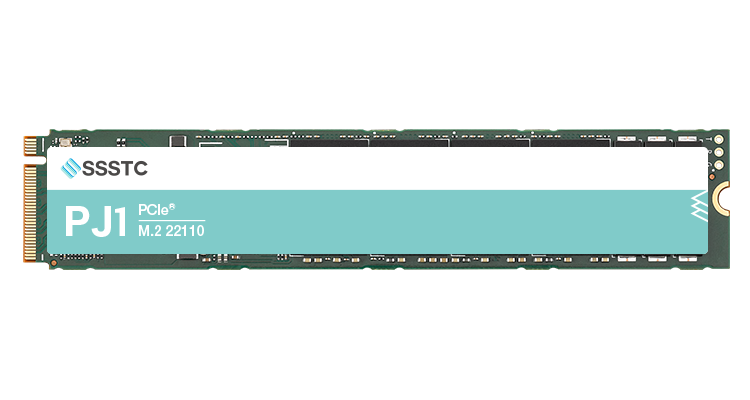
NVMe™ SSD
960GB / 1920GB / 3840GB
NAND Flash: 3D TLC NAND Flash
Interface: PCIe® Gen4 x4
Sequential Read: UP to 6,000 MB/s
Sequential Write: UP to 2,400 MB/s
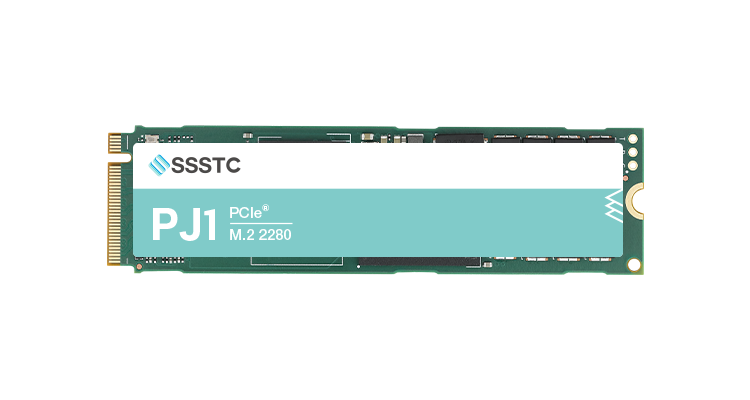
NVMe™ SSD
480GB / 960GB / 1920GB / 3200GB / 3840GB
NAND Flash: 3D TLC NAND Flash
Interface: PCIe® Gen4 x4
Sequential Read: UP to 6,000 MB/s
Sequential Write: UP to 2,400 MB/s
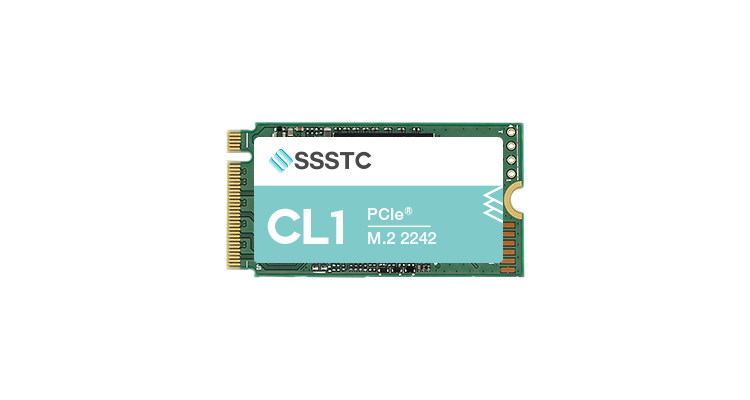
NVMe™ SSD
128GB / 256GB / 512GB
NAND Flash: 3D TLC NAND Flash
Interface: PCIe® Gen3 x4
Sequential Read: UP to 2,000 MB/s
Sequential Write: UP to 1,100 MB/s
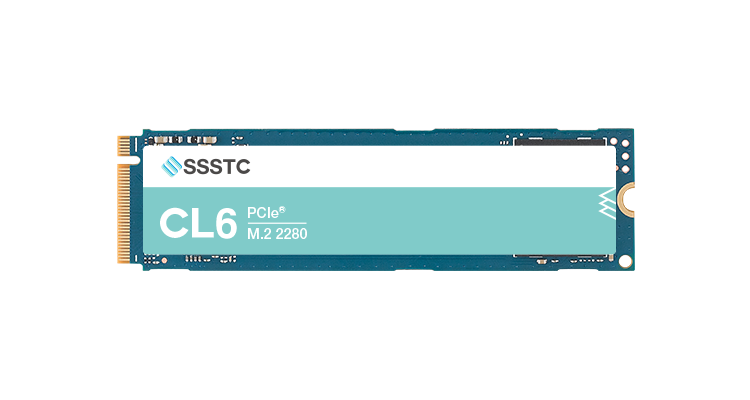
NVMe™ SSD
256GB / 512GB / 1024GB / 2048GB
NAND Flash: 3D TLC NAND Flash
Interface: PCIe® Gen4 x4
Sequential Read: 6,000 MB/s
Sequential Write: 5,300 MB/s
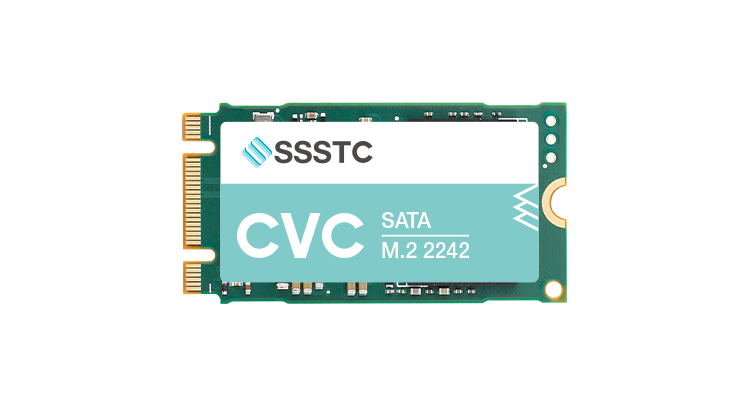
SATA SSD
128GB / 256GB / 512GB / 1024GB / 2048GB
NAND Flash: 3D TLC NAND Flash
Interface: SATA 3 (6Gb/s)
Sequential Read: UP to 550 MB/s
Sequential Write: UP to 510 MB/s
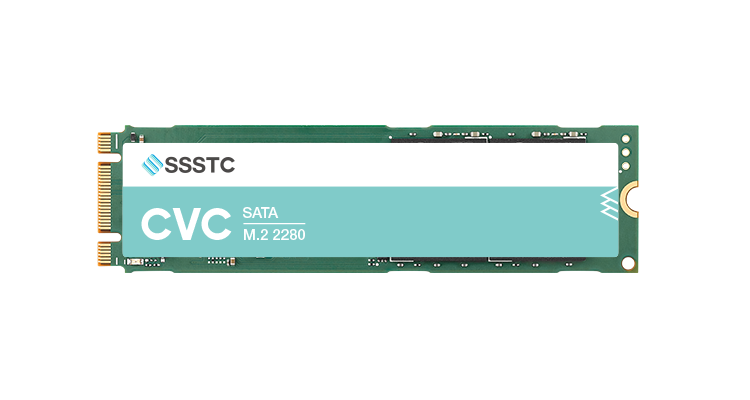
SATA SSD
128G / 256GB / 512GB / 1024GB / 2048GB
NAND Flash: 3D TLC NAND Flash
Interface: SATA 3 (6Gb/s)
Sequential Read: UP to 550 MB/s
Sequential Write: UP to 510 MB/s
__24C15hqqtC.png)
__24C15wOdCC.png)









__24C05XQ2my.jpg)





__24C05fplcZ.png)
__24C05vgHYC.png)